
Energy bills · DFW
Tired of high electric bills? Your windows could be the culprit.
Most people never think about their windows. They’re just part of the wall. But in a Texas summer, old windows let the sun’s heat pour in and your cool air leak out, so your AC runs longer and you pay for it.
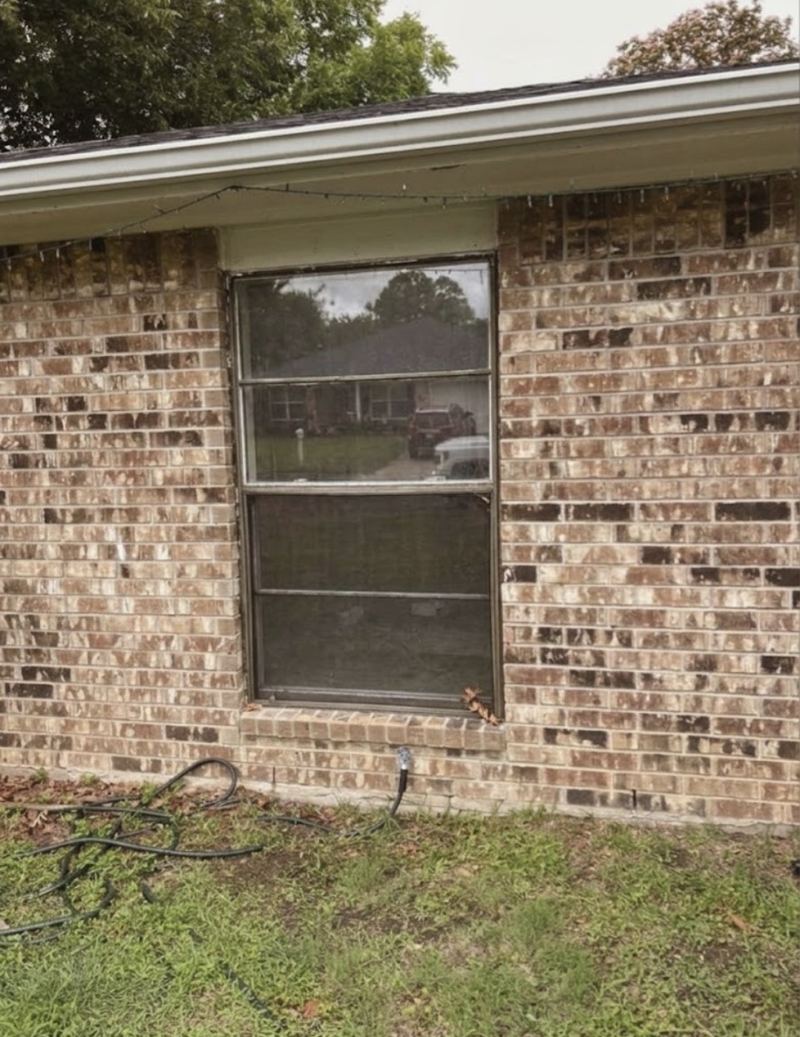 BEFORE
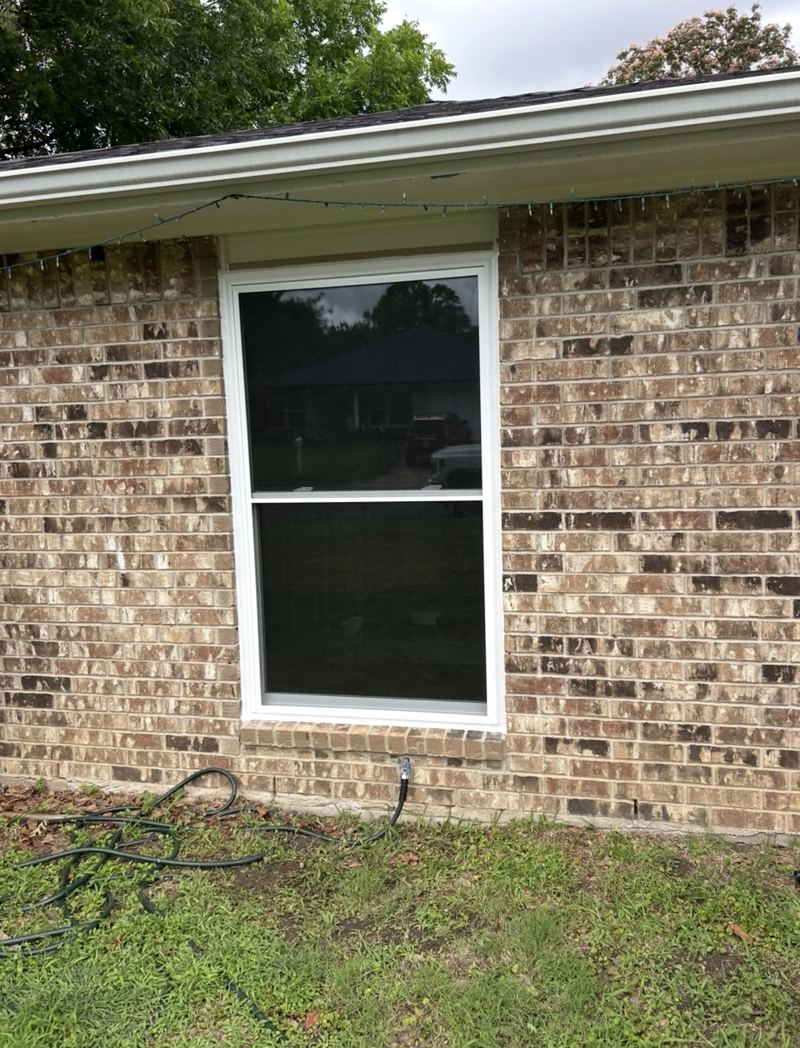 AFTER
of a home’s heating and cooling energy is gained or lost through its windows. Source: U.S. Department of Energy
How windows drive up your bill
Heat gets through a window three ways. Old windows lose on all three.
Sun through the glass
Plain glass lets the sun’s heat pour into the room. Glass with a low solar heat gain rating blocks much of it, which matters most in a hot climate like ours.
Heat through the frame
The Department of Energy calls metal a very poor insulator because aluminum frames conduct heat so fast. Vinyl frames hold up far better.
Air leaking around it
Even a good window leaks if it’s sealed badly. I caulk every window to the brick or siding outside and the sheetrock inside, and foam any gap over 1/8 inch.
Signs your windows are costing you
Walk around your house and check. If you see two or more of these, your windows are probably working against your AC.
- Aluminum framesMetal frames pass heat straight through to the inside.
- Single-pane glassOne thin layer of glass is all that stands between your AC and Texas heat.
- Glass that’s hot to the touchIf the glass is hot in the afternoon, that heat is radiating into your room.
- Drafts around the frameCracked caulk and gaps let cooled air leak out and hot air leak in.
- Fog or haze between the panesThe seal has failed, so the window no longer insulates the way it was built to.
- Haven’t opened them in years?Windows that stick or are painted shut usually have worn seals too.
What makes a window energy-efficient
Every new window has a sticker from the National Fenestration Rating Council (NFRC). These are the numbers that matter.
U-factor
How easily heat passes through the whole window. Lower is better.
Solar heat gain (SHGC)
How much of the sun’s heat gets in. Lower is better, and in Texas it’s the number to watch.
ENERGY STAR for North Texas
DFW is in ENERGY STAR’s South-Central zone, where certified windows need a U-factor of 0.28 or lower and an SHGC of 0.23 or lower.
Installation
Great numbers don’t help if air leaks around the window. How it’s sealed matters as much as what you buy.
With every quote, I’ll show you the label numbers for the exact window I’m recommending, so you can compare them yourself.
What could you save?
ENERGY STAR estimated what replacing every window with ENERGY STAR windows saves a typical 2,376 sq ft, two-story home in its South-Central zone, which includes DFW:
About $547 a year (12% of the utility bill) when replacing single-pane windows
About $336 a year (7% of the utility bill) when replacing clear double-pane windows
These are ENERGY STAR’s 2023 estimates, not a guarantee. Your savings depend on how many windows you replace, which way they face, your attic insulation, your AC and your electric rate.
I won’t promise a number on your bill. Anyone who does hasn’t seen your house.
Straight talk
Windows aren’t always the biggest problem. Thin attic insulation, air leaks and leaky ductwork can cost you just as much.
When I come out to measure, if I don’t think your windows are the main problem, I’ll tell you.
Questions about energy and windows
Will new windows lower my electric bill?
If your windows are old aluminum or single-pane, they’re likely a big part of the problem. How much you save depends on your house: how many windows, which way they face, your insulation, your AC and your electric rate. So I won’t promise you a number. I’ll tell you honestly what I see.
Do better windows help in winter too?
Yes. A lower U-factor means less heat escapes in winter, the same way it keeps heat out in summer.
Is there still a federal tax credit for new windows?
Not for windows installed now. The federal Energy Efficient Home Improvement Credit ended for anything installed after December 31, 2025. If someone is still promising you that credit, ask them to show you in writing.
Do I have to replace every window at once?
No. Many people start with the worst ones, often the windows that get hard afternoon sun, and do the rest later. The estimator prices any number of windows.
Find out what your windows are costing you
Price your windows online in about a minute, or send me a photo of them. I reply between jobs, usually the same day.
Sources
- U.S. Department of Energy, Energy-Efficient Windows (25–30% figure; low SHGC in warm climates)
- U.S. Department of Energy, Window Types and Technologies (frame materials)
- ENERGY STAR, Average Annual Energy Savings with ENERGY STAR Windows by Climate Zone (2023 South-Central zone estimates: $547 / 12% replacing single-pane, $336 / 7% replacing double-pane)
- ENERGY STAR, Windows, Doors and Skylights (climate zones and criteria)
- IRS, Energy Efficient Home Improvement Credit (Section 25C), ended for property placed in service after December 31, 2025